We’ve all been there: you set a massive goal, work furiously toward it for a week, and then slowly slide right back into your old routines. Why is it so hard to make lasting change?
In his blockbuster success, Atomic Habits, author James Clear dismantles the myth that massive success requires massive, exhausting action. Instead, he argues that the key to achieving any goal lies in the tiny, seemingly insignificant choices we make every single day. If you can get just 1% better each day, those small improvements compound into extraordinary results over time.
Core Lessons from Atomic Habits
1. Forget About Goals, Focus on Systems
Winners and losers often have the exact same goals. Every Olympian wants to win a gold medal; every candidate wants the job. If the goal is the same, what separates those who succeed from those who fail? The system.
Goals are about the results you want to achieve, but systems are about the processes that lead to those results. If you completely ignored your goal and only focused on your system every day, you would still succeed. Fix the inputs, and the outputs will fix themselves.
2. Identity-Based Habits
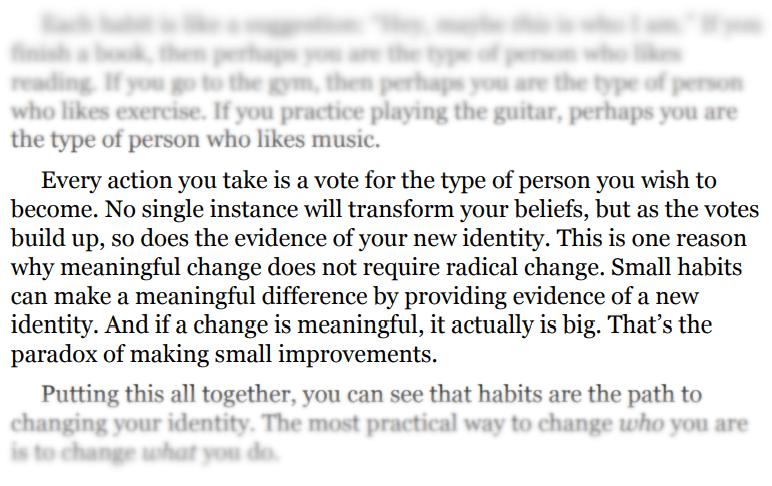
True behavior change is identity change. You might start a habit because of motivation, but you'll only stick with it if it becomes part of your identity.
Imagine two people trying to quit smoking. When offered a cigarette, the first says, "No thanks, I'm trying to quit." The second says, "No thanks, I'm not a smoker." It’s a subtle shift, but the second person has changed their core identity. The goal isn't to read a book; the goal is to become a reader.
The Four Laws of Behavior Change
To build a rock-solid habit (or break a destructive one), Clear provides a simple, actionable framework based on how our brains process habit loops.
1st Law: Make It Obvious (Cue)
Design your environment for success. If you want to drink more water, fill up a jug and place it right in the middle of your desk. Don't rely on willpower; rely on visual cues.
2nd Law: Make It Attractive (Craving)
Pair an action you need to do with an action you want to do (Temptation Bundling). Only allow yourself to listen to your favorite podcast while you are at the gym.
3rd Law: Make It Easy (Response)
Reduce friction. Master the 2-Minute Rule: scale down any new habit so it takes less than two minutes to do. "Read before bed" becomes "Read one page."
4th Law: Make It Satisfying (Reward)
What is rewarded is repeated. Use a habit tracker to visually cross off your successful days. The visual proof of your streak provides immediate, satisfying feedback.
Breaking a Bad Habit?
Simply invert the Four Laws. To stop doing something negative, you need to make the cue invisible, make the craving unattractive, make the action difficult (add friction), and make the result unsatisfying.
Who is this book for?
Whether you are an athlete looking to win a championship, a business leader hoping to optimize your company, or simply someone who wants to finally stop procrastinating, Atomic Habits offers a highly practical, scientifically backed framework. It is less about finding a sudden burst of motivation and more about engineering your life so that doing the right thing becomes automatic.